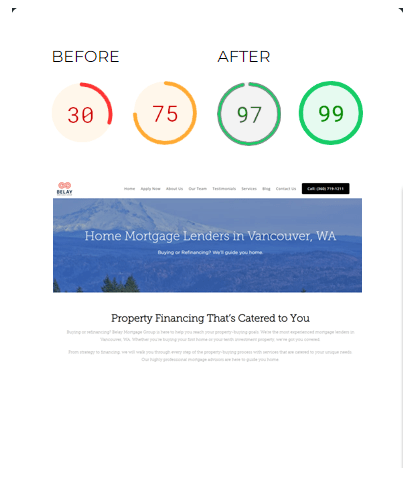
By combining these tools, we can get a well-rounded picture of how our website performs and where we can continue improving.
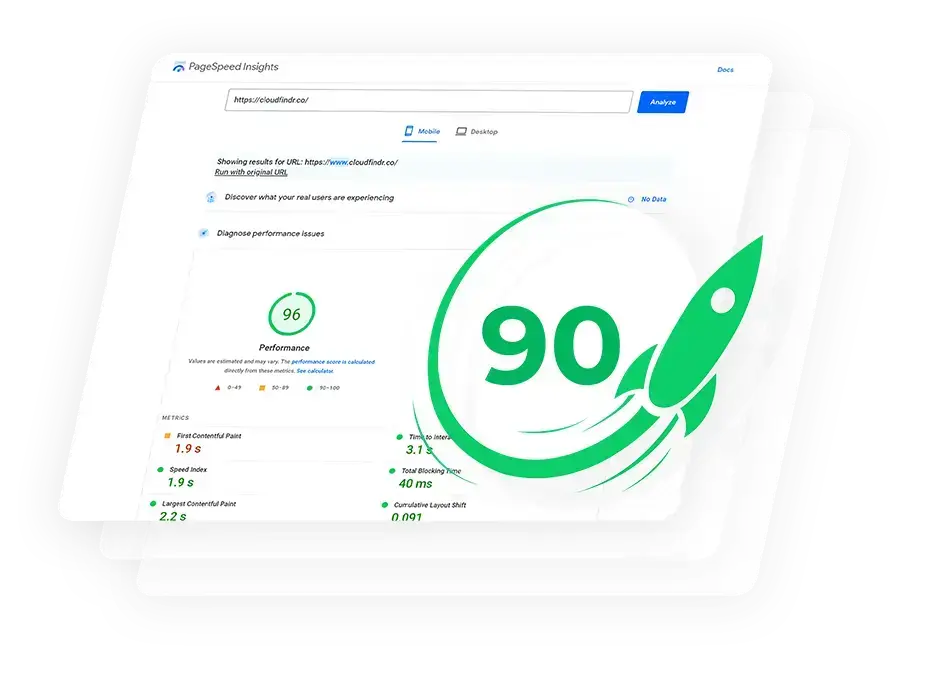
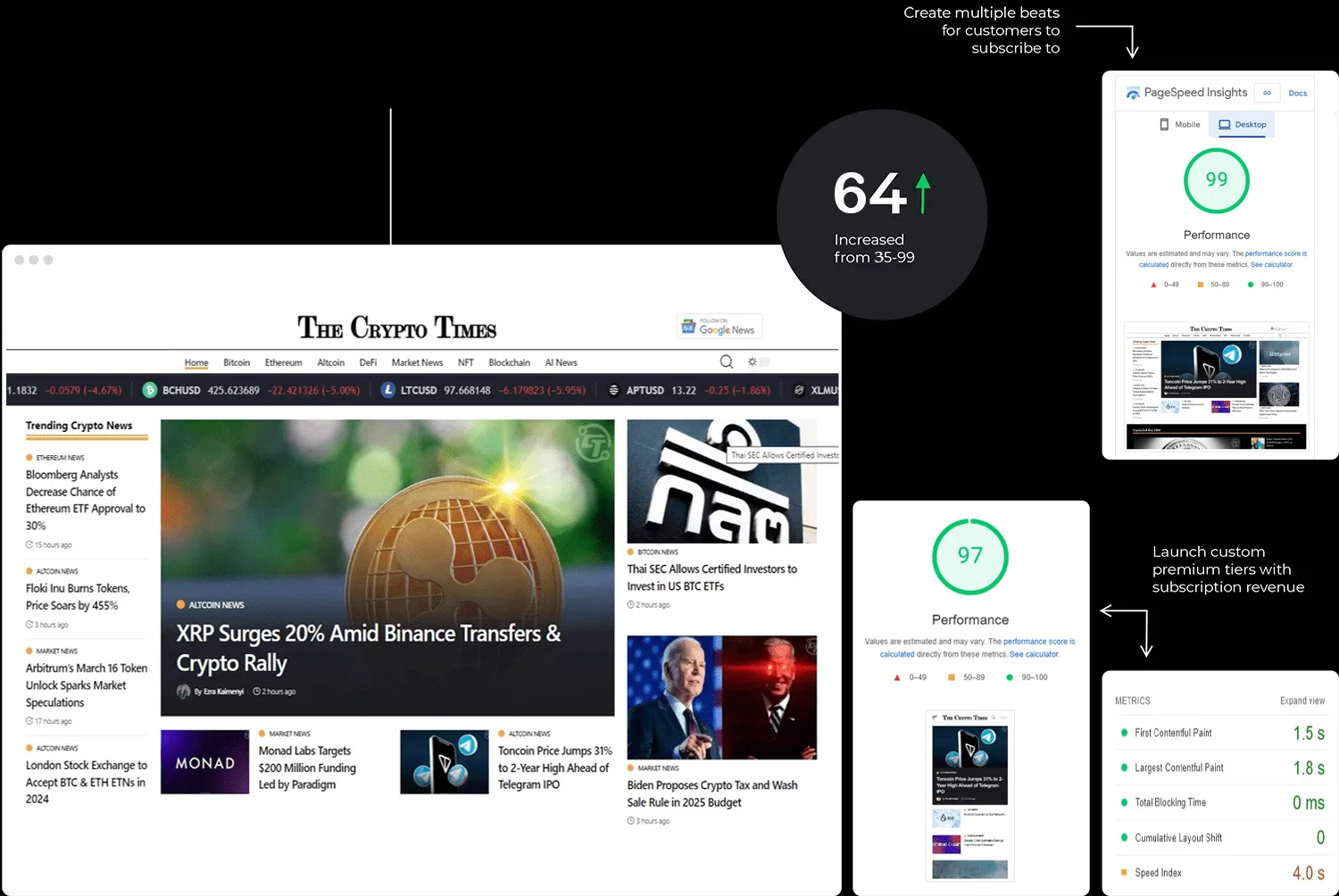
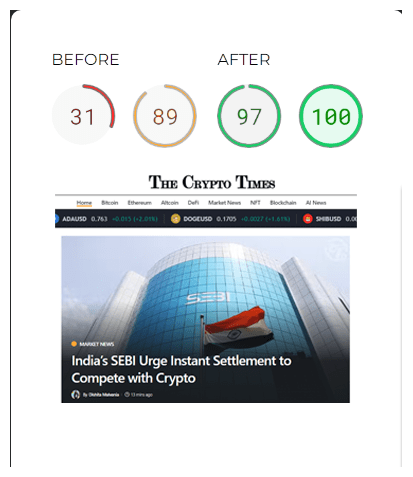
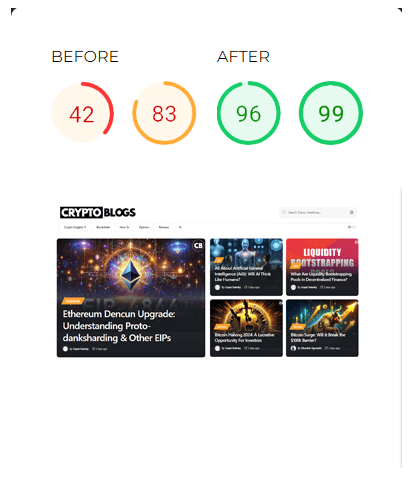
1. Google Pagespeed Insights
Google Pagespeed Insights is a free tool that analyzes a website’s performance and provides recommendations for improving it. The device is easy to use and provides actionable insights to help website owners improve their performance.
2. GTmetrix
GTmetrix is a free tool that analyzes your website’s speed and performance. GTmetrix is a valuable tool for any website owner or developer who wants to ensure their site runs as efficiently as possible.
3. WebPageTest
WebPageTest is a free website performance and optimization testing tool. It tests your website’s load time, response time, and other performance metrics. It also provides recommendations on how to improve your website’s performance.
4. Lighthouse
Google Lighthouse is a great tool for auditing your website’s performance, accessibility, and SEO. It’s easy to use and provides valuable insights that can help you improve your site.
5. Chrome DevTools
DevTools is a set of tools that can be used to inspect, debug and edit code. It can be used to view the structure of an HTML document, identify the CSS rules that apply to an element and test Javascript code. DevTools can also be used to performance-test webpages and applications.
7. Search Console (Core Web Vitals Report)
The Core Web Vitals report in Search Console is a valuable tool for website owners and developers who want to improve their site’s user experience. By monitoring the metrics in the news, you can identify areas where your site needs improvement and make changes to help improve the user experience.
8. Pingdom
Pingdom is one of the most popular website monitoring tools available. It is used by some of the largest companies in the world to keep track of their website’s uptime and performance. Pingdom is a great tool for individuals and businesses who want to ensure their website runs smoothly and efficiently.
9. YSlow
YSlow is a great tool for optimizing your website’s performance. It provides detailed information on what needs improvement and specific recommendations on how to fix it. Following the tips above, you can use YSlow to speed up your website and improve your user experience.